
Long-distance Running Break Aviator Game Sport Event throughout Canada
Something new is emerging at Canadian marathons https://aviatorcasino.app/aviator/. Runners and spectators are gathering around a unique kind of finish line, one that exchanges pavement for pixels. The Marathon Running Break Aviator Game Sport Event combines the raw endurance of a 42.2-kilometer race with the quick-fire suspense of the Aviator game. From Vancouver to Toronto, this hybrid concept is reshaping the post-race party. It converts the recovery area into a lively social spot, using the game’s simple thrill to maintain the energy alive. For runners, it provides a digital victory lap. Organizers see the difference: people remain longer, converse more, and share laughs across generations long after the last runner has collected their medal.
Notion: Merging Stamina Athletics with Engaging Gaming
At first glance, a marathon and a digital betting game seem worlds apart. One demands months of grueling training. The other asks for a split-second decision as a multiplier climbs. The event finds a common thread in the climax. The moment a runner decides to sprint for the finish line echoes the instant a player must cash out before the virtual plane disappears. This parallel clicks with Canadian runners, who have a history of welcoming fresh ideas. After pushing their bodies to the limit, participants encounter a shared, seated activity that channels leftover adrenaline. The game’s unpredictable crash echoes the race’s own uncertainties—sudden weather, a cramp, a wall. It seems like a fitting, almost playful, extension of the challenge they just faced.
Canada’s Running Landscape: A Fertile Ground
Canada’s running culture is huge and inclusive. Big city marathons in Ottawa, Toronto, Vancouver, and Calgary draw crowds in the tens of thousands each year. These aren’t just races; they’re block parties with bands, food trucks, and whole neighborhoods coming out to cheer. Dropping the Aviator game into this mix seems less like an intrusion and more like a new attraction. It gives tech-friendly younger runners and their friends a natural gathering point. The game station becomes a hub where people trade race stories while watching a multiplier climb. For the race directors, this interactive piece gives people a reason to linger in the festival area. It becomes a unique feature that can set a Canadian marathon apart on the global calendar, appealing to those who want more from their race day than just a annualreports.com time.
Event Organization: From Final Stretch to Play Area
Unified design matters. The setup is purposeful. After reaching the finish line and going past the medal and snack area, runners access a secured participant zone. There, they discover the themed Aviator Game Zone. Large screens display live rounds, chairs offer a place to sit, and charging stations recharge dead phones. A live host keeps things moving, describing the rules and energizing the crowd. Special game rounds are planned for when the majority of finishers arrive, producing peaks of collective shouting and groans. This setup considers the runner’s exhaustion. It offers a mental challenge that avoids sore legs. Located near medical tents and food, the zone encourages people to recuperate well while staying part of the celebration.
Aviator Game Mechanics: Simplicity Meets Tension
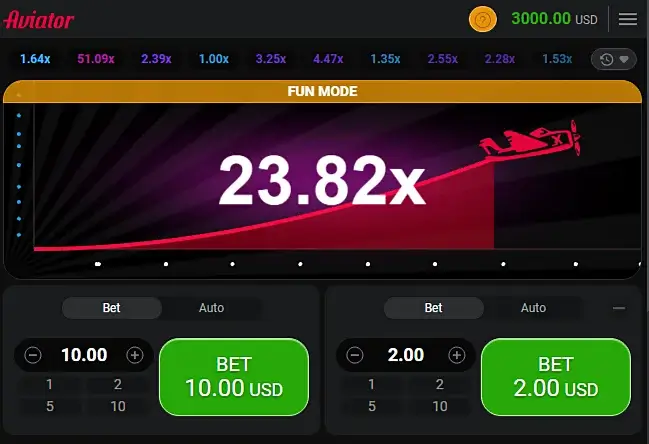
The activity functions because the game itself is so easy to grasp. A multiplier initiates at 1.00. A graphic of a plane commences to ascend, and the number grows. You determine when to cash out. If you make your move before the plane departs randomly, you earn your bet multiplied by that number. If the plane departs first, you forfeit the bet. It’s a pure test of nerve. Marathon runners get this. They’ve just spent hours controlling risk, pushing against fatigue, choosing when to hold back and when to surge. The game compresses that same psychological battle into seconds. For the event, real money isn’t used. Finishers receive virtual tokens, taking away financial pressure and concentrating on fun. On a big screen, each round becomes a collective gasp or cheer, converting solo play into a group spectacle.
Advantages for Runners: Rest and Friendship
The game provides runners real advantages. reddit.com On a physical level, it encourages them to sit down and drink water while their mind is pleasantly occupied. This beats staring at a phone in silence. Mentally, it assists with the sudden transition from the solitary focus of the race to the noisy finish chute. It wards off the post-race slump by providing a new, shared goal. That light rivalry among people who just endured the same thing creates instant camaraderie. In Canada’s often-sprawling cities, these moments of connection are important. The game prolongs the life of the celebration, adding another story to tell beyond your split times. Later, in online running groups, you’ll see people reminiscing about the crazy multiplier they hit, keeping the community buzz going weeks later.
Captivating Onlookers and Community
The attraction stretches well past the runners. Relatives and companions who devoted hours rooting require an activity to do, too. The Aviator zone offers them an activity to share with the exhausted runner, a way to join in a different kind of victory. It sustains the festival energy upbeat all afternoon. Local sponsors appreciate it. A craft brewery may offer a branded prize for the top score. A running shop could sponsor the leaderboard. This local tie-in is crucial for Canadian events, which count on community backing. By building this engaging attraction, the marathon turns into a better value for the host city, drawing bigger crowds interested about the sport-gaming mix. It gives local businesses a direct line to an audience that’s active, engaged, and ready to celebrate.
Important Factors for Event Planners
For a race director thinking about this, the specifics determine the success of it. The planning needs the equal focus as the course layout. Finding a dependable tech partner is the primary step. Messaging must be perfectly clear: this is for enjoyment with virtual points, not gambling. The system must accommodate hundreds of people without problems. The process, from receiving tokens to viewing your name on a screen, has to be seamless. Staff need to recognize they’re interacting with people who are fatigued but energized, and foster an environment that’s vibrant but not overpowering.
- Venue Integration: Put the zone inside the secure finishers’ area. Ensure good sightlines to the screen, offer shelter, and allow room for crowds to congregate.
- Technology & Connectivity: You need fast, dedicated internet with a backup. Latency will kill the excitement immediately.
- Staffing & Hosting: A engaging host is crucial to explain the game, pump up the crowd, and maintain rounds moving.
- Partnerships: Coordinate directly with Aviator platform providers or local gaming experts for authentic tech support and branding.
- Safety & Inclusivity: Present it as optional, skill-based fun. This matches Canadian expectations for accountable, inclusive events.
Logistical and Organizational Framework
Making this work needs a solid technical foundation. This typically means a independent local network solely for the game terminals and displays to eliminate internet delays. The software is often a personalized version of Aviator, designed to use a special event currency. A central server records every game session, connecting scores to bib numbers for the leaderboard. On the ground, you require reliable power for all the screens and tablets, a quality sound system for effects, and ample signs. A dedicated tech team on site addresses any glitches immediately, ensuring the digital fun is as reliable as the race clock.
Key Tech Stack Components
A number of key pieces hold the system together. Commercial-grade Wi-Fi access points and network switches control the traffic from all the linked devices. The game server runs on a powerful local computer to reduce reliance on the outside internet, with a backup line ready just in case. Players use either dedicated tablets or a basic mobile website. A control panel allows the host quicken or slow down the game rounds, post messages, and update leaderboards live. Validating this entire setup before race day is mandatory. The goal is for the technology to seem invisible, enabling the physical and digital events boost each other without a hitch.
Next Steps: Digital and Experience Synergy
This concept is just starting to gain momentum. The next phase could be far more seamless. Imagine a runner’s own heart rate data, recorded by their watch, influencing their personal multiplier curve in the game. Augmented reality features could let friends at home play along via the event app during the marathon. The framework could easily expand to other Canadian endurance events like cycling fondos, ski loppets, or open-water swims. The basic pairing—long athletic effort followed by short, sharp digital excitement—has a broad appeal.
- Biometric Integration: Link to fitness trackers. Provide a bonus in the game for maintaining your heart rate in a cool-down zone, supporting active recovery.
- National Leaderboards: Connect players at marathons in different cities on the same day for a country-wide competition.
- Charity Fundraising Driver: Connect virtual wins to charity donations. A top score could unlock an extra contribution from a sponsor.
- Winter Sport Adaptation: Reskin the game for winter. Replace the plane for a skier or speed skater at events like the Gatineau Loppet.
- Advanced Data Analytics: Offer runners a fun post-race report contrasting their risk strategy in the game to their pacing strategy in the marathon.